Cocoa's Cuban community: Mariel and the broader 1960s-1970s migration
Brevard County's Cuban-American community formed in two waves: the 1960s post-Revolution professional class and the 1980 Mariel boatlift. Cocoa absorbed several hundred Cuban families across both waves, building a small but stable community concentrated on the west side.
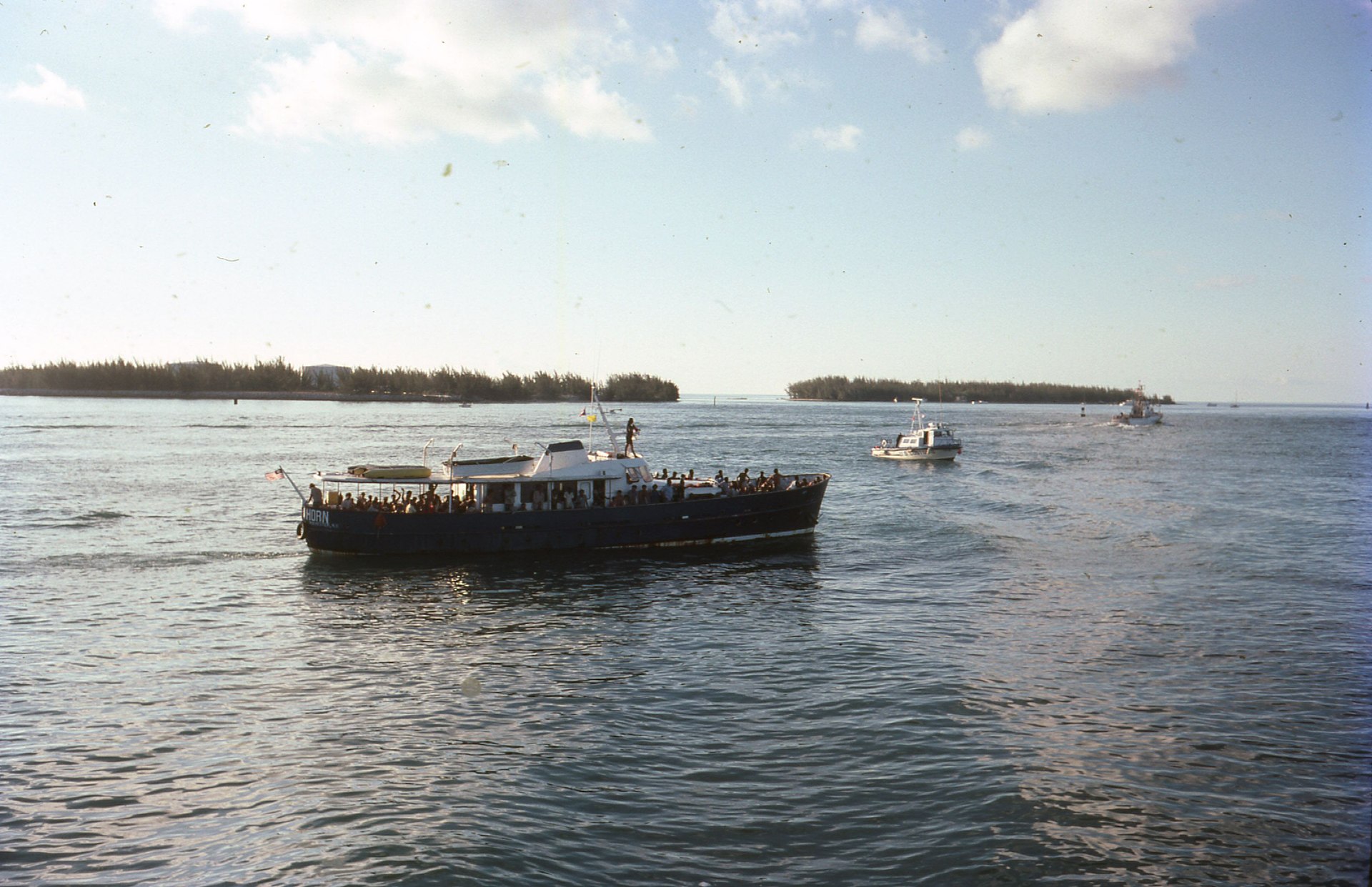
Brevard County’s Cuban-American community is small by Florida standards, perhaps 4,000 residents identifying as Cuban-American as of the 2020 census, compared to over 800,000 in Miami-Dade, but it has been a stable feature of mainland Cocoa since the 1960s. The community formed in two waves: the post-1959 professional class fleeing the Cuban Revolution, who arrived in Brevard from 1959 through roughly 1973, and the 1980 Mariel boatlift cohort. Both waves concentrated on the west side of Cocoa near the older Black neighborhoods of Allendale, driven by housing availability and proximity to citrus-economy and NASA-contractor jobs.
Today’s Cocoa-area Cuban community is mostly second- and third-generation, with the founding-generation arrivals now elderly or deceased. The community has supported its own bakeries, restaurants, churches, and small businesses on a continuous basis since the early 1970s.
The 1959-1973 professional wave
The first Cuban arrivals to Brevard County came in the 1959-1962 period, immediately after the Cuban Revolution. These were generally upper- and middle-class Cubans, professionals, business owners, large-farm operators, who left Cuba with relatively few resources but with skills the U.S. economy could use.
Most of the early arrivals came through Miami and were resettled across the United States through various federal programs (the Cuban Refugee Program ran from 1961 through 1973 and was the largest U.S. refugee resettlement program of its era, processing about 261,000 Cubans). The Brevard County resettlement count was small, perhaps 200-400 families through 1973, concentrated in Cocoa, Rockledge, Eau Gallie, and Titusville.
Why Brevard? Several factors:
- NASA contractor jobs. The Apollo program’s buildup in the 1960s needed technical labor at all skill levels. Cuban engineers, technicians, and skilled tradesmen found work at North American Aviation, Boeing, McDonnell, and the smaller subcontractors at Kennedy Space Center.
- Hospital and medical fields. Cuban physicians and nurses (those who could re-credential in the U.S.) found positions at Cape Canaveral Hospital and other regional medical facilities.
- Citrus economy. Cuban citrus expertise (Cuba had a citrus industry that the Revolution disrupted) translated directly to Florida groves and packing houses. Several Cuban families bought small groves or worked as grove managers.
- Cost of living. Brevard County in the 1960s was significantly cheaper than Miami-Dade for housing, allowing modest-resourced refugee families to establish themselves.
The 1959-1973 cohort generally integrated into the Brevard economy at middle-class and professional levels. Their children attended Brevard public schools (a few attended the Catholic schools in Eau Gallie and Cocoa Beach), graduated from Brevard Community College or transferred to Florida state universities, and largely remained in Florida.
The 1980 Mariel boatlift
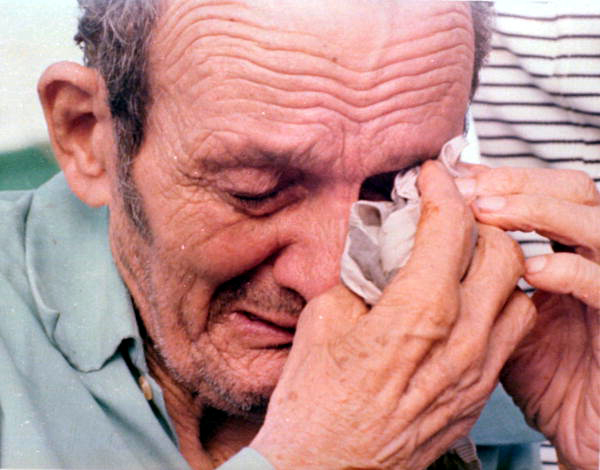
The Mariel boatlift ran from April through October 1980. Approximately 125,000 Cubans arrived in the United States, the vast majority through south Florida ports, primarily Mariel Harbor in Cuba to Key West and Miami in Florida. The federal response was overwhelmed; processing facilities were set up at Eglin Air Force Base in Florida’s panhandle, Fort Indiantown Gap in Pennsylvania, Fort Chaffee in Arkansas, and Fort McCoy in Wisconsin.
Brevard County’s share of the Mariel arrivals was modest, perhaps 600-900 individuals, but it was concentrated and visible. Several Brevard Cuban-American families that had arrived in the 1960s sponsored Mariel arrivals, providing the family-reunification anchor that federal policy required for non-detained release.
The Mariel cohort was demographically different from the 1960s wave. It was younger, predominantly male, less professionalized. It included a small fraction of individuals released from Cuban prisons (a fact heavily emphasized in U.S. media coverage and used politically by the Castro regime to embarrass the U.S.) and a much larger fraction of working-class Cubans, single men, and families with limited resources.
Mariel arrivals to Brevard generally took entry-level jobs, citrus work (in its declining phase), construction, restaurant kitchens, hotel housekeeping at Cocoa Beach properties. Several found work in the growing aerospace contractor sector, though English-language and credential barriers were significant.
Where the community settled
Both waves concentrated geographically. The Cocoa Cuban community settled predominantly:
- West side of Cocoa, on the borders of the historic Allendale Black neighborhood. Housing was available at moderate prices.
- Smaller pockets in Rockledge along Barton Boulevard.
- A scattering along US-1 in north Brevard.
Several institutional anchors emerged:
- Cuban Catholic Apostolate. A Spanish-language Catholic ministry attached to the Diocese of Orlando, with Cocoa-area services beginning in the early 1970s at the Holy Name of Jesus parish in Indialantic and at a smaller Cocoa-area mission.
- Cuban-owned small businesses. Bakeries, restaurants, grocery stores, and auto-repair shops opened on the west side of Cocoa from the mid-1970s onward. Several have operated continuously for over forty years.
- Cuban-American Civic Association of Brevard County. A small mutual-aid and cultural organization founded in 1972, still operating in 2026, that hosts annual Cuban Independence Day events (May 20) and the Day of the Three Kings celebration in January.
The economic and cultural footprint
By 1990 the Cocoa-area Cuban-American community was approximately 2,000 individuals. By 2020 it was approximately 4,000 (Brevard County overall). The growth came from natural increase, continued (much smaller) Cuban immigration, and the broader Hispanic / Latino in-migration to Florida that has accelerated since 2000, though much of the recent Hispanic growth in Brevard is Puerto Rican rather than Cuban.
The community’s economic mobility has tracked Florida Cuban-American patterns generally. Second-generation children of the 1959-1973 wave are now mostly professionals, engineers, physicians, attorneys, business owners, concentrated in the technical fields that the NASA / aerospace economy of Brevard supports. The Mariel cohort’s mobility was less complete but real; their children attended public schools and a substantial fraction have moved into middle-class jobs.
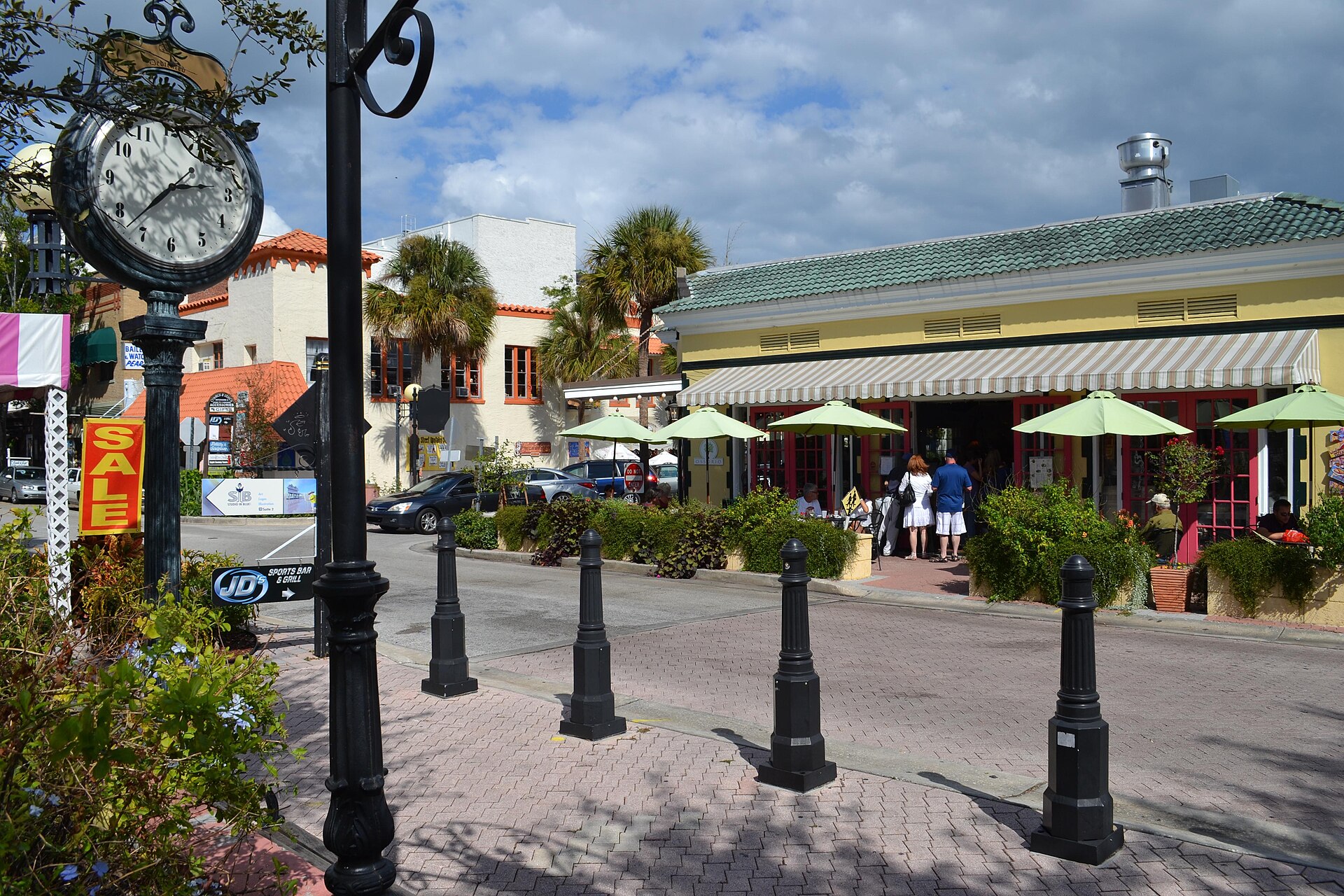
Cultural visibility has been modest. Cocoa does not have a Little Havana equivalent, no concentrated Cuban-cultural commercial district. The community’s contribution is more diffuse: individual restaurants, the Catholic apostolate, the annual events, and the broader cultural-political presence in Brevard County electoral politics (Brevard’s Cuban-American voters have generally been Republican-leaning, consistent with national patterns).
What the records show
Census data for Cocoa and Brevard County documents the community’s growth:
- 1960: under 100 Cuban-born residents (rounding error in the count).
- 1970: roughly 1,200 Cuban-born residents in Brevard County.
- 1980: roughly 2,800 (pre-Mariel) to 3,400 (post-Mariel) Cuban-born or Cuban-descent residents.
- 1990: roughly 3,500.
- 2000: roughly 4,200.
- 2020: roughly 4,000 (small decline reflects aging-out of the first generation).
The Cuban Refugee Program records, available through the National Archives, document the federal resettlement processing for the 1959-1973 wave. Mariel arrivals are documented in the federal immigration records of 1980-1981, though the records are less complete because of the chaotic processing in that period.
Oral history collection on the Cocoa Cuban community is incomplete. The Florida Memory Project has a few recordings; the Cuban-American Civic Association of Brevard County maintains some institutional records. A more complete documentary record would benefit from additional fieldwork that no published source has done at scale.
What’s continuing
The Cuban community in Cocoa is now substantially second- and third-generation American, with the original 1960s arrivals mostly elderly or deceased. The cultural-organizational infrastructure that the first generation built (the Catholic apostolate, the Civic Association, the small businesses) has been maintained by the second generation but is showing the typical generational thinning that immigrant communities encounter.
What’s likely to continue: the integrated middle-class professional presence in Brevard County. What’s less certain: whether the distinct Cuban-American cultural identity remains visible in Cocoa across a third and fourth generation, or whether it blends into the broader Hispanic / Latino population growth that is transforming Florida demographics.
The 1959-1973 wave was a specific historical event. The community it built is now a settled part of mainland Cocoa’s fabric.
Further Reading
Sources
- U.S. Census Bureau, Brevard County demographic data by ancestry, 1960-2020.
- U.S. National Archives, Cuban Refugee Program records, 1961-1973.
- U.S. Department of Justice and Immigration and Naturalization Service, Mariel boatlift processing records, 1980-1981.
- Florida Memory Project, Cuban immigration oral histories (limited Brevard County coverage).
- Diocese of Orlando, Cuban Catholic Apostolate institutional records.
- Cuban-American Civic Association of Brevard County, founding documents and event records.
- María Cristina García, Havana USA: Cuban Exiles and Cuban Americans in South Florida, 1959-1994 (University of California Press, 1996).
- Florida Today, Cuban-community coverage 1970-present.
- Pew Research Center, Hispanic Trends, Cuban-American demographic studies.
As an Amazon Associate we earn from qualifying purchases.