The Brevard County Mosquito Control District: how aerial spraying made Cocoa habitable
Founded in Cocoa in 1953, the Brevard Mosquito Control District ran the aerial-spraying program that transformed coastal Brevard from seasonally uninhabitable to year-round suburban. The program had real ecological costs and a real public-health success.
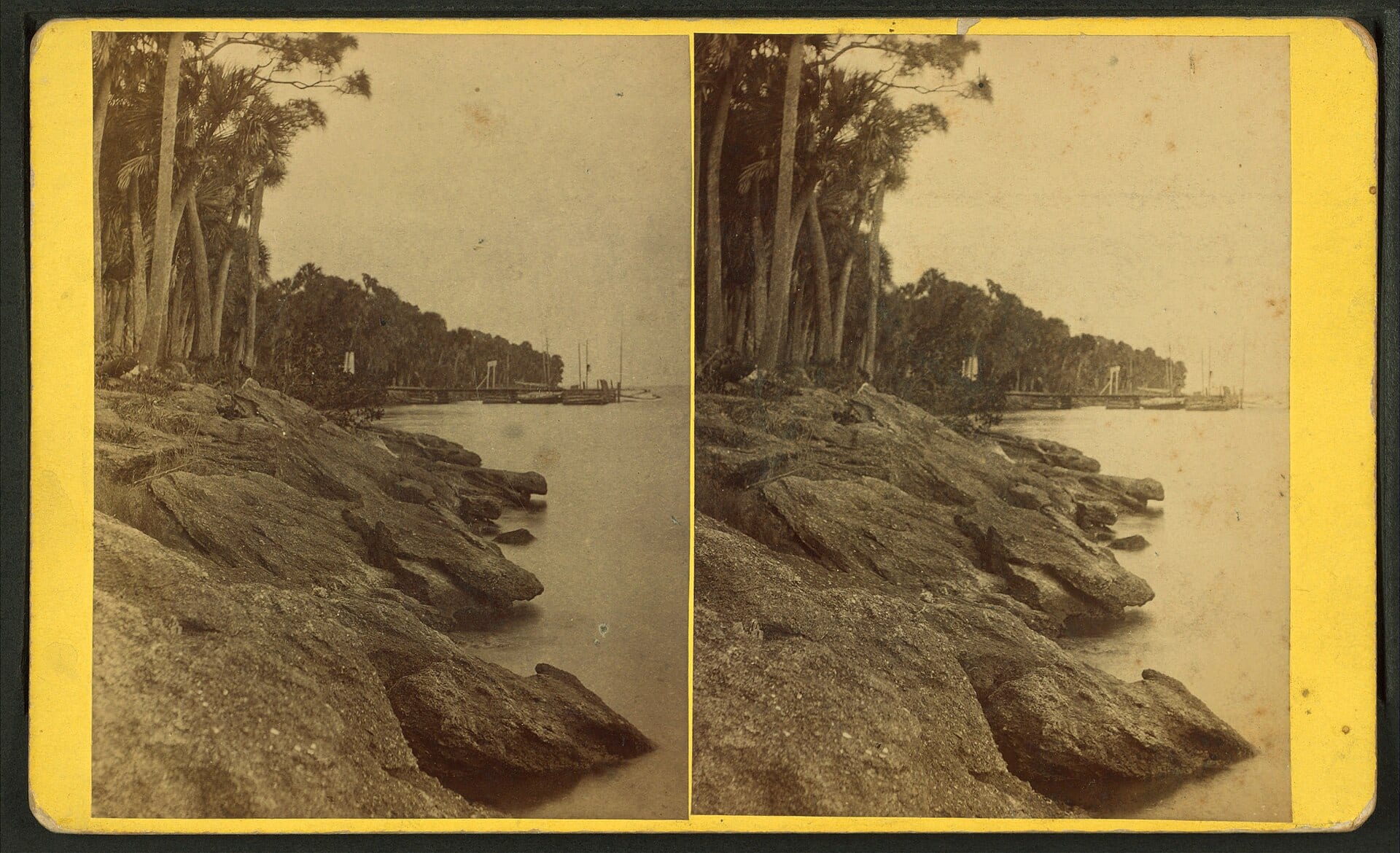
The Brevard County Mosquito Control District was created by Florida special-act legislation in 1953, headquartered in Cocoa, with the explicit mission of making coastal Brevard livable year-round. Before sustained mosquito control, the Indian River Lagoon’s salt-marsh edge produced Aedes taeniorhynchus and Aedes sollicitans in densities that drove residents indoors for substantial stretches of every summer. Cocoa’s old-timers tell stories of the “mosquito clouds” of the 1920s and 1930s that made evening porch-sitting impossible from May through October.
Aerial spraying, ditching of salt marsh, and impoundment of marsh edges, the BCMCD’s three principal tools through the 1950s, 1960s, and 1970s, collapsed mosquito populations by 95%-plus in treated areas. The program made the NASA-era population growth possible. It also caused ecological damage, used DDT until 1968 and the related organophosphates that replaced it, and altered the lagoon’s salt-marsh ecology in ways the district has been working to reverse since the 1990s.
The Brevard MCD is one of the older county mosquito-control programs in Florida. The Cocoa headquarters is on US-1 north of the Eyster Boulevard intersection.
Why Cocoa needed it
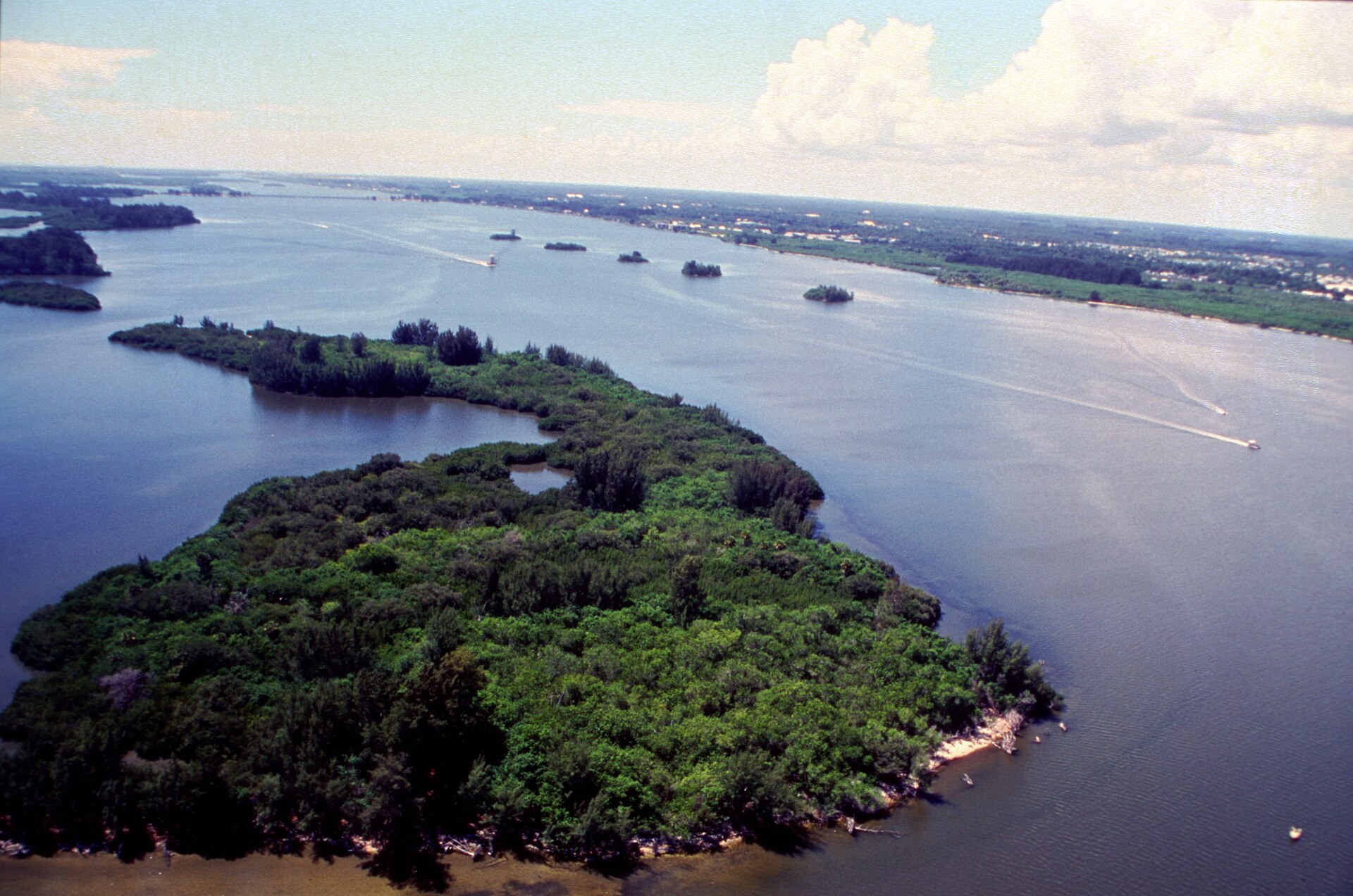
The salt marshes along the western edge of the Indian River Lagoon, extending from approximately the Eau Gallie north line to north of Titusville, produced exceptional numbers of salt-marsh mosquitoes. Aedes taeniorhynchus, the black salt-marsh mosquito, is a brutal biter, flies up to 20 miles from breeding sites, and emerges in synchronized broods that can number in the billions over a few-day period.
In the absence of control, life on the lagoon during peak mosquito season was difficult. Period accounts from the 1920s and 1930s describe:
- Citrus pickers wearing heavy clothing, gloves, and netting in 90-degree heat.
- Children kept indoors from late afternoon through morning.
- Cattle dying of exsanguination in extreme outbreaks (documented in north Brevard).
- Tourism effectively impossible from May through October.
Mosquito-control efforts began informally in the 1930s, small Brevard County Health Department programs, individual cities applying oil to standing water, but the scale was inadequate. By the late 1940s, with population growth accelerating and the Banana River Naval Air Station drawing military families to the area year-round, the political will for systematic control emerged.
The 1953 founding
The Florida Legislature passed enabling legislation for the Brevard County Mosquito Control District in 1953. The district was authorized to levy property taxes for mosquito-control operations, hire staff, and conduct large-scale interventions.
The first director was Dr. Maurice W. Provost, who would lead the district from 1953 through 1976. Provost was a trained entomologist (PhD, Cornell) and one of the figures who established Florida mosquito control as a research-grounded discipline. Under his leadership, the BCMCD became a national reference point for coastal mosquito-control programs.
The original 1953 budget was modest, under $200,000, but grew quickly. By 1960 the district’s annual budget was over $1 million. By 1970 it was over $3 million.
The DDT era, 1953-1968
The district’s principal aerial-spraying tool from 1953 through 1968 was DDT (dichlorodiphenyltrichloroethane), the organochlorine insecticide that had transformed mosquito control globally in the 1940s. Brevard’s program used DDT applied by both fixed-wing aircraft (for area-wide spraying) and helicopters (for targeted salt-marsh treatments).
The treatment cycle: spring and summer aerial applications timed to mosquito emergence broods, supplemented by ground-based truck spraying in residential areas. Treatments were typically scheduled overnight or early morning to minimize bee kill and to take advantage of mosquito flight times.
DDT was effective. Within five years of the program’s launch, peak mosquito populations in treated coastal Brevard were down 95% from pre-1953 levels. The summer evening became livable again. Real-estate development of lagoon-front and salt-marsh-adjacent land became feasible.
DDT was also ecologically destructive. The persistent organochlorine accumulated in fish, fish-eating birds, and the broader food web. By the early 1960s, brown-pelican populations on the lagoon had crashed; bald eagles, ospreys, and other top predators showed reproductive failures linked to DDT and its metabolite DDE thinning their eggshells. Rachel Carson’s Silent Spring (1962) drew on Florida coastal data, including some from the Brevard program, for its DDT critique.
The federal EPA’s 1972 DDT ban (full prohibition, with limited public-health exceptions) was preceded by Florida state-level restrictions in the late 1960s. Brevard MCD’s last DDT applications were in 1968.
Post-DDT chemicals and methods
After 1968 the BCMCD shifted to a sequence of replacement chemicals:
- Organophosphates (malathion, naled), effective but with their own toxicity profiles.
- Synthetic pyrethroids (permethrin, others), adopted from the 1980s onward, generally lower mammalian toxicity than organophosphates.
- Biological controls, Bacillus thuringiensis israelensis (Bti), introduced 1980s, targets mosquito larvae specifically.
- Methoprene, insect growth regulator preventing larval development into adults.
The post-DDT chemical mix has dramatically lower environmental persistence than DDT did, but adult-mosquito aerial spraying still involves real ecological tradeoffs that the district acknowledges in its public communications.
Salt-marsh ditching and impoundment
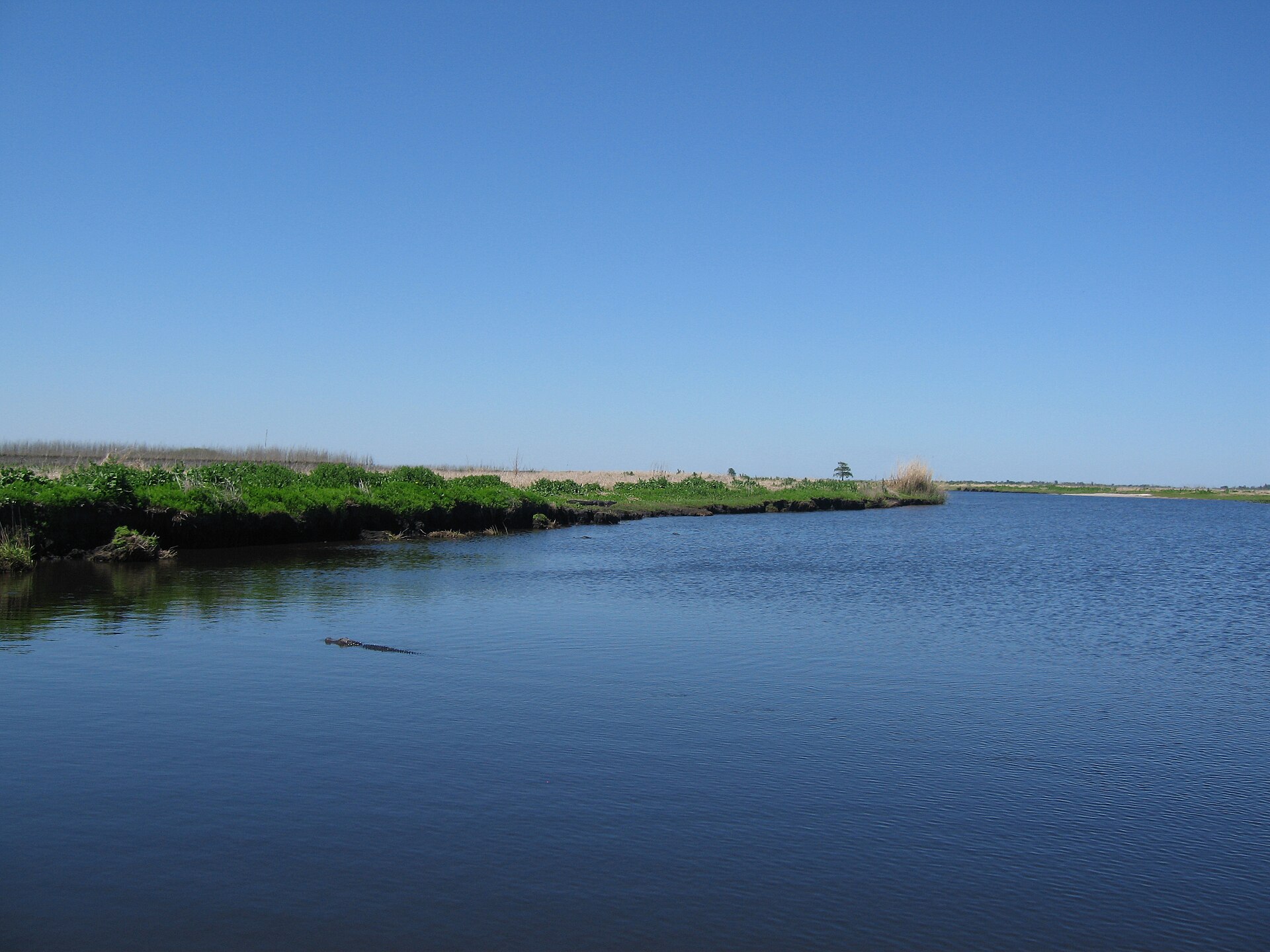
Beyond aerial chemical applications, the BCMCD’s major intervention was the physical modification of salt marshes through ditching and impoundment.
Ditching. Trenches dug through salt marshes to drain standing water (where mosquitoes breed) and provide fish access to mosquito larvae. Mosquitofish (Gambusia) and killifish eat larvae. The ditches functioned as biological-control infrastructure.
Impoundment. Earthen dikes around salt-marsh sections, flooding the marshes to inundation depths that prevent mosquito breeding while permitting fish populations to control any remaining larvae. The impoundments were generally seasonal, flooded May through October, drained the rest of the year.
By 1980 over 90% of Brevard County’s coastal salt marshes had been ditched, impounded, or both. The ecological cost was substantial: salt marshes are productive estuarine habitat for fish, shellfish, and birds, and the BCMCD modifications reduced or altered that productivity.
Since the 1990s the district has worked with state and federal agencies on Rotational Impoundment Management (RIM), which manages the impoundments more dynamically to support fish nursery functions while still controlling mosquito breeding. RIM has restored substantial ecological function to previously impounded marshes.
Public-health impact
The Brevard MCD’s principal documented public-health impact, beyond simple livability:
- Mosquito-borne disease reduction. Eastern equine encephalitis, West Nile virus, and dengue have all appeared in Brevard County but at much lower incidence than in unmanaged areas of Florida.
- Heartworm reduction in dogs. A regional veterinary marker; substantially lower heartworm prevalence in well-controlled coastal Florida than in inland uncontrolled areas.
- Tourism viability. The 1960s and 1970s tourism economy of barrier-island Brevard depended on usable beach conditions, which required mosquito control.
The district today
The BCMCD currently operates with an annual budget of approximately $15 million (FY 2024-25). The principal headquarters is on US-1 in north Cocoa, with subsidiary stations elsewhere in the county. The district owns aircraft, fixed-wing and helicopter, plus a fleet of trucks and small boats.
The current program emphasizes integrated mosquito management: combining surveillance (mosquito-population monitoring at fixed stations across the county), source reduction (the impoundment and water-management programs), biological control (Bti applications), and adult-mosquito control (chemical spraying when surveillance triggers it).
The district is one of the more sophisticated mosquito-control programs in the United States. It has published research, hosts academic visits, and provides training to programs in less-resourced jurisdictions.
What it tells you about Florida
The Brevard Mosquito Control District is part of why Florida became habitable at scale. Most Florida counties have similar programs; together they consume hundreds of millions of dollars annually statewide. The state’s 22 million-plus residents live in landscapes that, three generations ago, were seasonally close to uninhabitable. Cocoa would not be a city of 16,000 in May 2026 without seventy years of sustained mosquito-control work, started by the 1953 founding of the BCMCD on US-1 in north Cocoa.
Further Reading
Sources
- Brevard County Mosquito Control District, institutional history and annual reports.
- Florida Department of Health, mosquito-control program records and annual statistics.
- Florida Legislature, 1953 special act creating the BCMCD.
- Maurice W. Provost, scientific publications on Florida coastal mosquito control, 1955-1975.
- Rachel Carson, Silent Spring (Houghton Mifflin, 1962).
- U.S. Environmental Protection Agency, DDT regulatory history.
- Cocoa Tribune and Florida Today, BCMCD coverage 1953-present.
- Florida Medical Entomology Laboratory (Vero Beach, UF/IFAS) research publications on coastal mosquito control.
- Centers for Disease Control and Prevention, mosquito-borne disease surveillance data for Florida.
As an Amazon Associate we earn from qualifying purchases.