Writing
Notes, essays, and research from Old Cocoa.
- Economy and finance
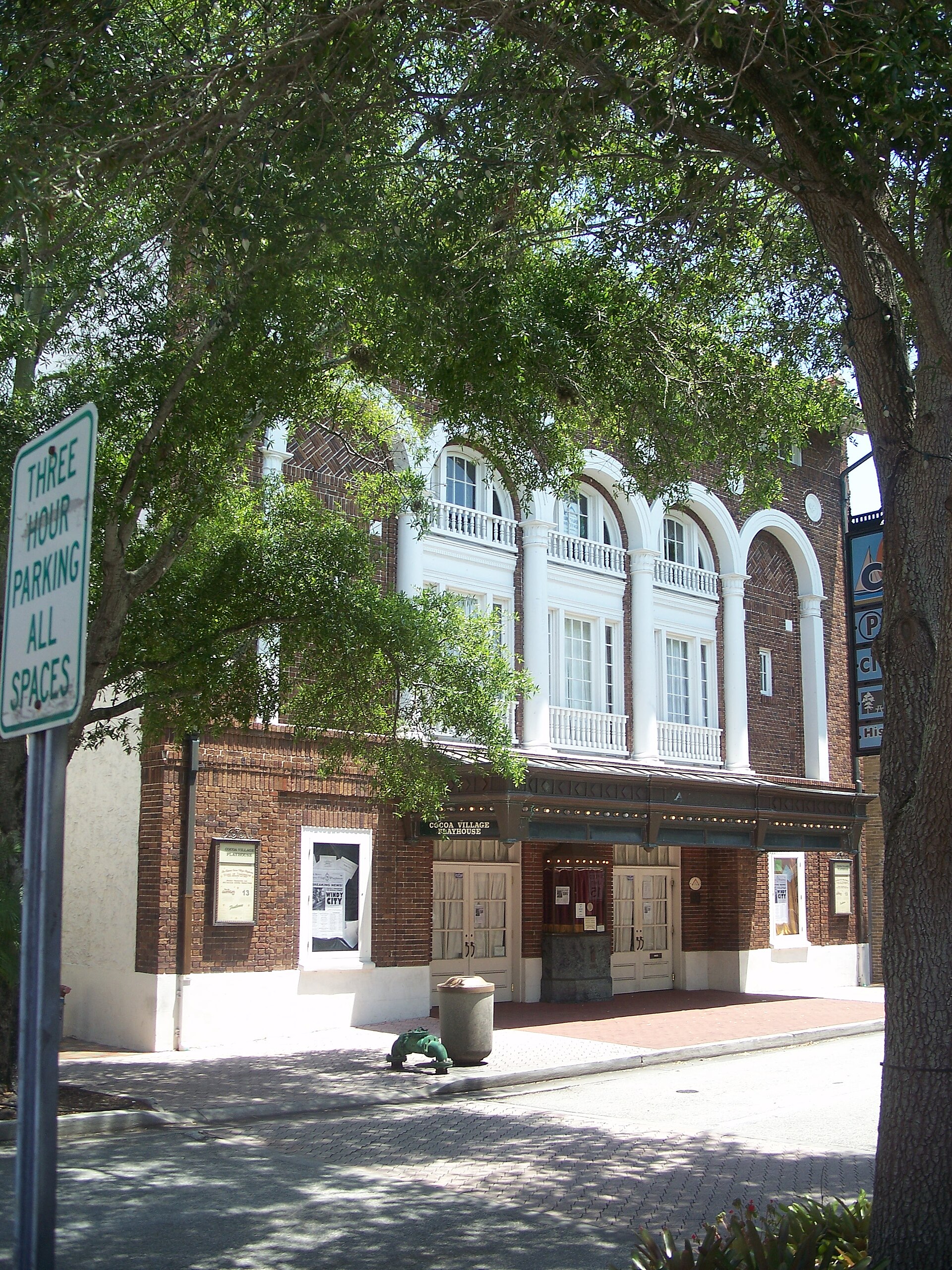
Cocoa in the Florida land boom, 1917 to 1930
Cocoa grew from about 550 people in 1912 to about 1,800 by 1925, built its brick downtown and the Aladdin Theater, and kept growing through the 1926 bust on citrus and tourism. What the National Register records and the census show.
- Historic structures
The Aladdin Theater, 1924: Cocoa's Boom-era showplace
The Aladdin Theater opened on Brevard Avenue on August 18, 1924, an $80,000 Italian Renaissance Revival theater with 800 seats in a town of about 2,000. It was Cocoa's only theater until 1936, became the Cocoa Village Playhouse, and was listed on the National Register in 1991.
- Schools and education
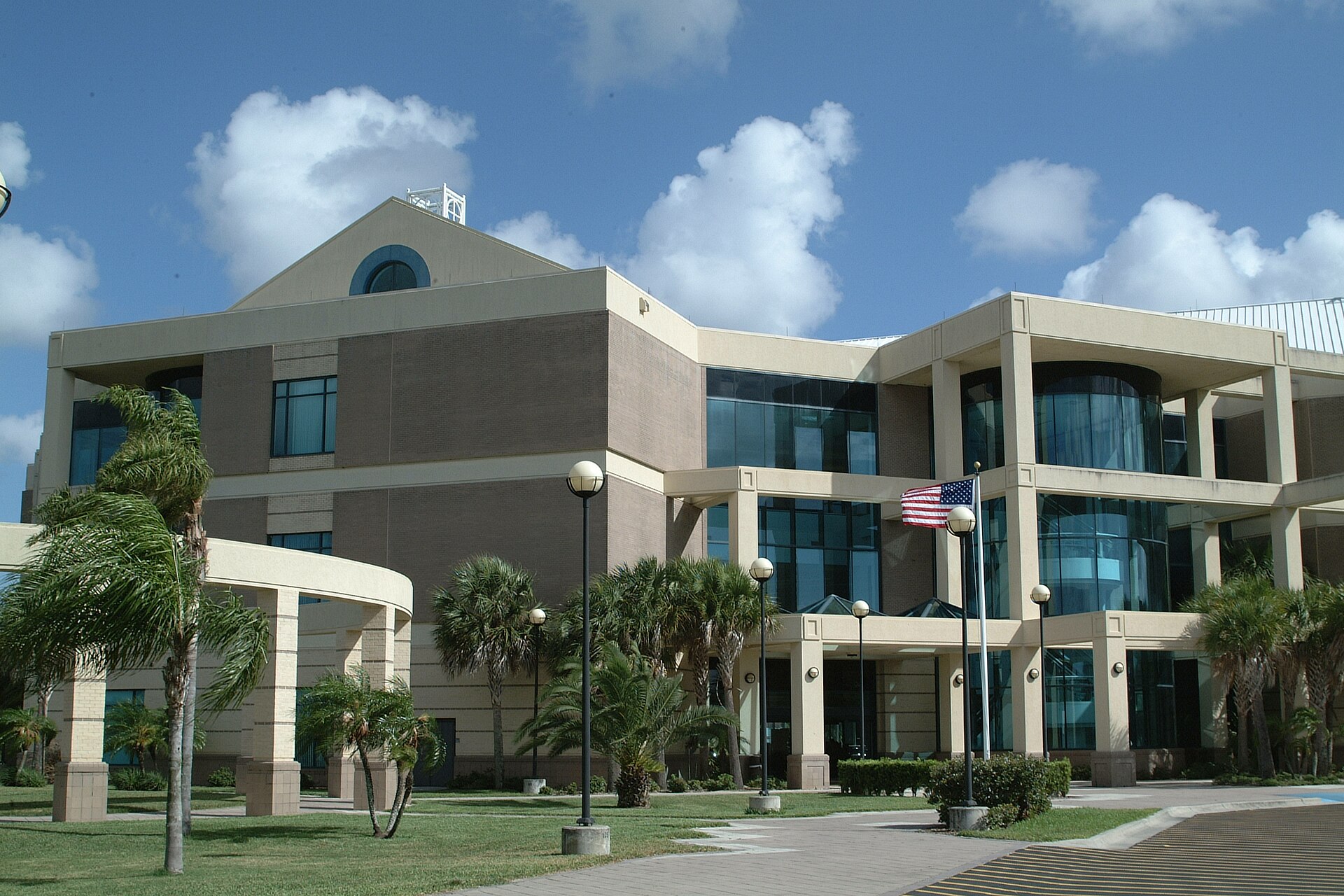
Brevard Junior College, founded 1960 in Cocoa: how it became Eastern Florida State
Brevard Junior College opened in 1960 in the old Cocoa High School building. It merged in 1963 with Carver Junior College, which served Brevard's Black students, moved to its campus by Clear Lake in Cocoa, became Brevard Community College in 1970 and Eastern Florida State College in 2013.
- Politics and government
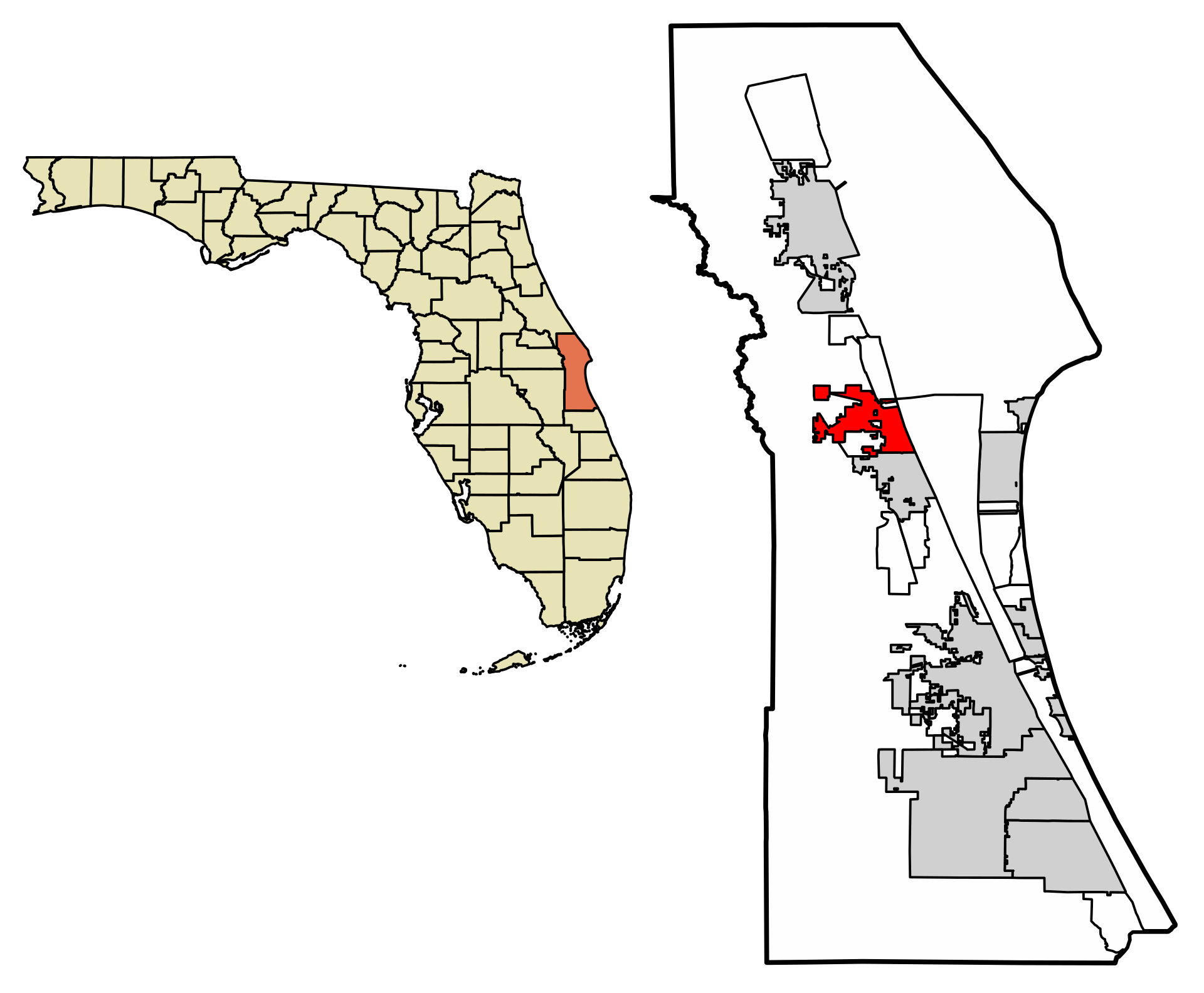
Cocoa and the Brevard County Seat: Why the Courthouse Is in Titusville
The Brevard County seat has been in Titusville since an 1879 vote in which the choices were Titusville, Eau Gallie and Rockledge. Cocoa outgrew Titusville by 1920, but the seat never moved.
- Communities
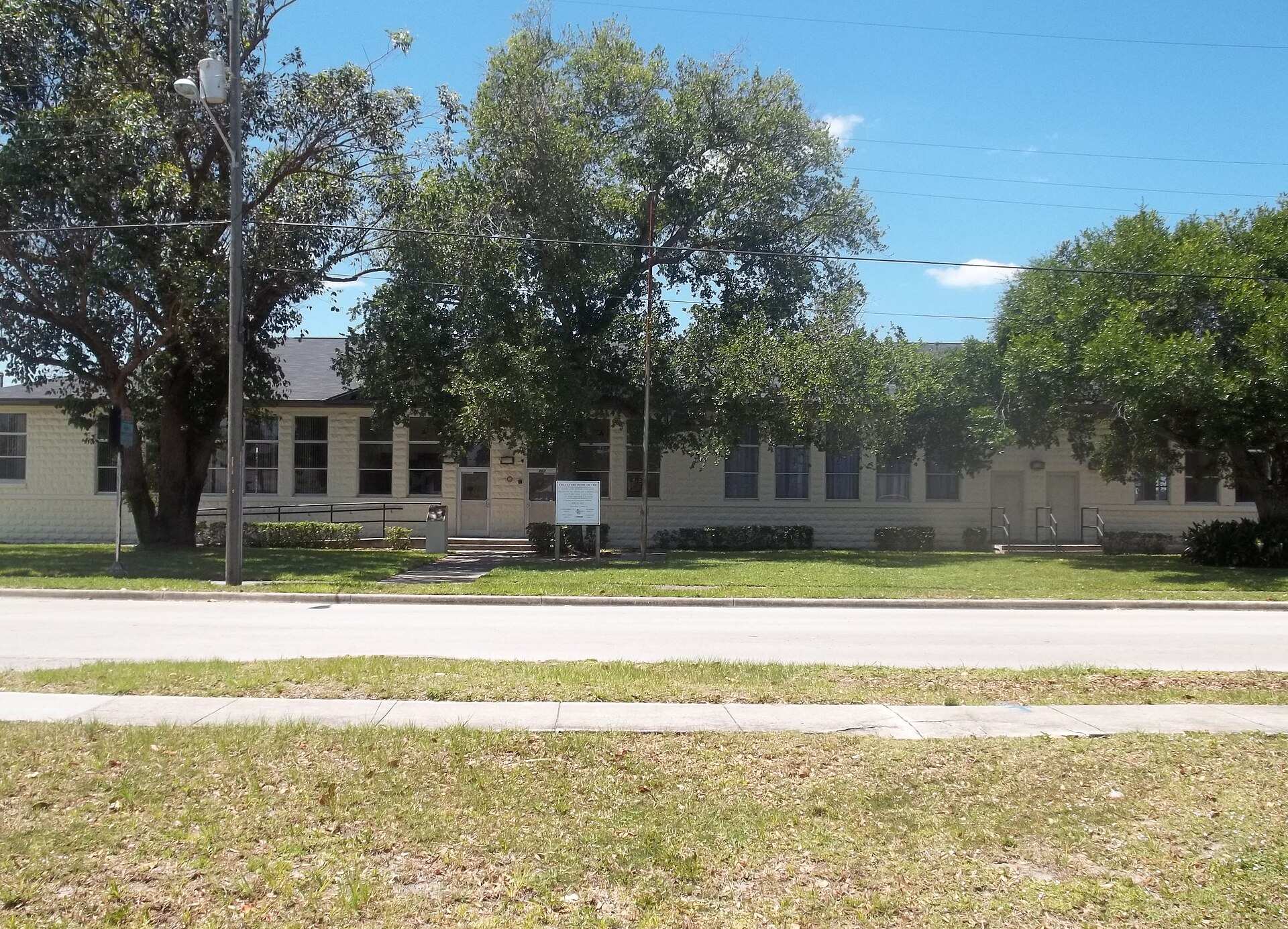
Cocoa's Black neighborhoods, 1880s to 1948: Florida Avenue, Lapham's Addition, College Park
In the 1880s Black families bought lots south of Cocoa's business district along what is now Florida Avenue. The railroad split that neighborhood in the early 1890s, and in 1912, 1922 and the mid-1920s Arthur and Viva Lapham platted the subdivisions west of downtown where Black Cocoa grew up around its school.
- Citrus era
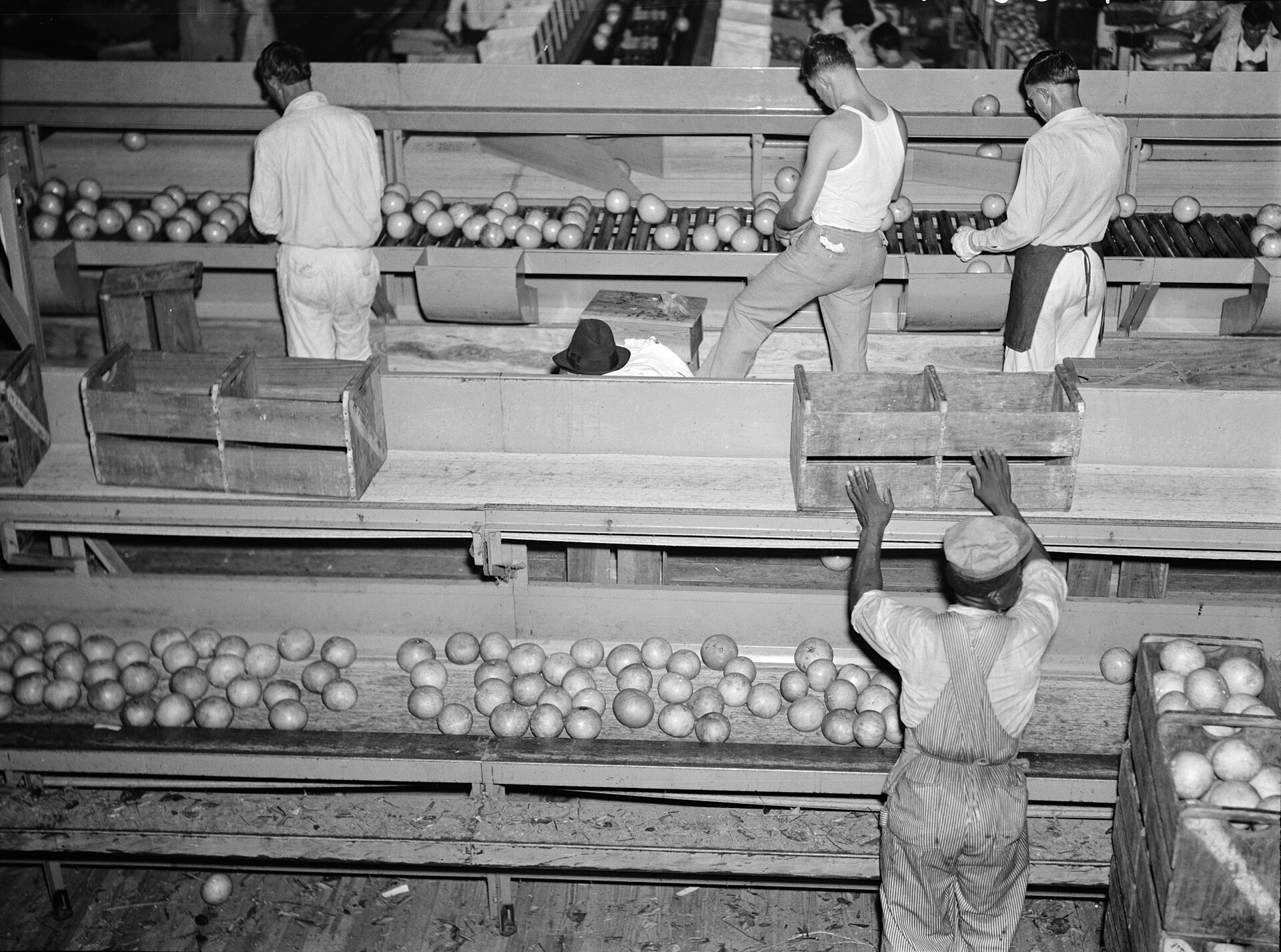
Cocoa's citrus trade: growers, packing houses and the Florida Citrus Exchange
Citrus paid for much of early Cocoa. Edward Porcher, one of the largest Indian River growers, ran a packinghouse behind his house on the river and patented machines for handling fruit; Cocoa and Rockledge headquartered the Florida Citrus Exchange; and the packing houses employed the men of Cocoa's Black neighborhoods.
- Founding
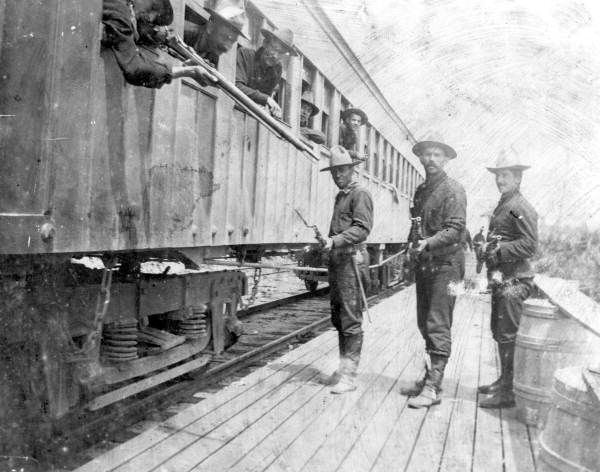
How Cocoa Was Founded, Named and Incorporated (1882 to 1895)
Fishermen founded Cocoa in 1882 as Indian River City. The post office balked at the long name, a town meeting picked Cocoa in 1884, and the town was incorporated in 1895.
- Schools and education
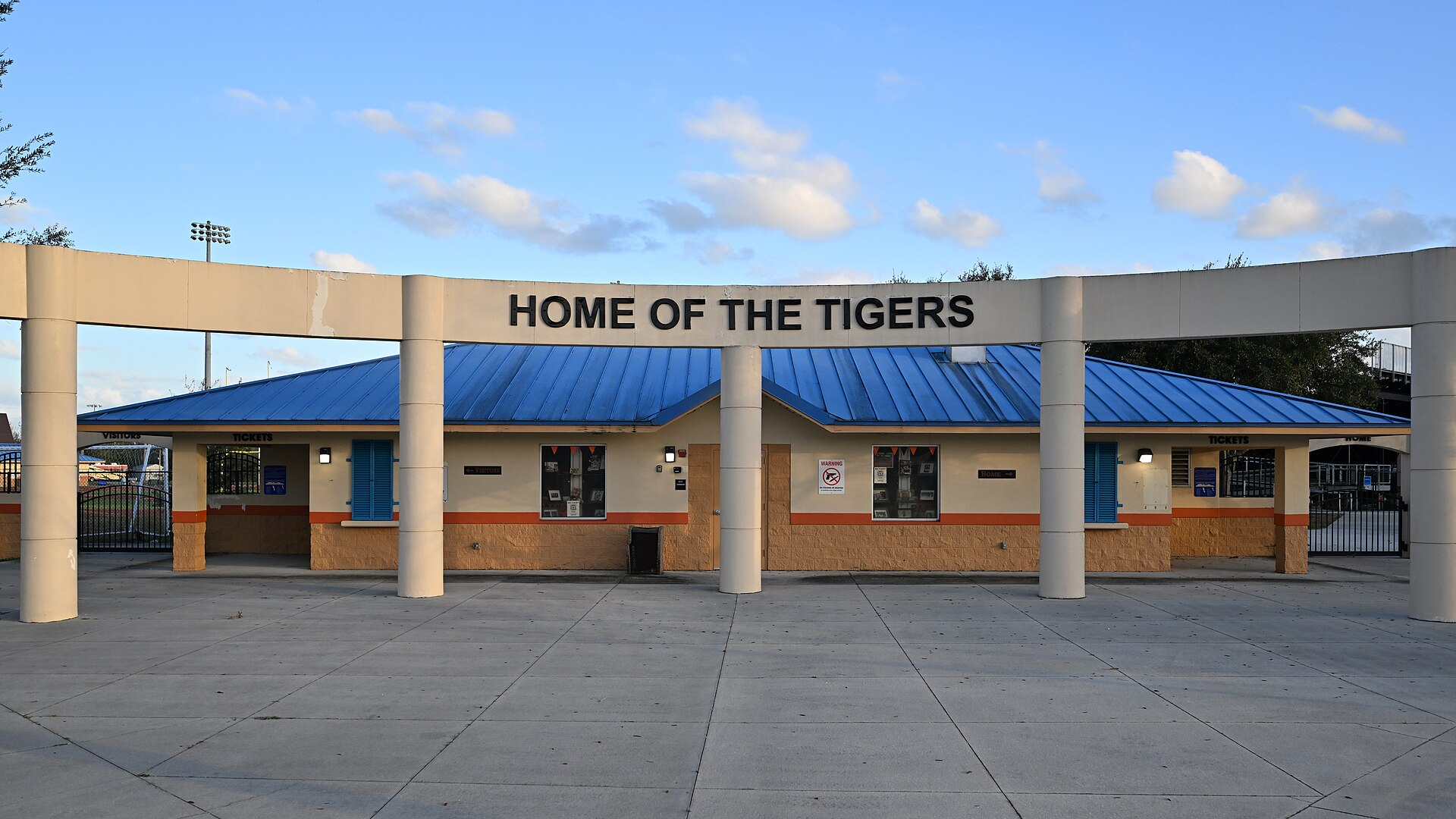
Cocoa High football: seven state championships since 2008
Cocoa High's Tigers won Florida state football championships in 2008, 2009, 2010, 2016, 2022, 2023 and 2024, and lost three more finals in 2017, 2018 and 2021. The record, game by game, from the Florida High School Athletic Association.
- Communities
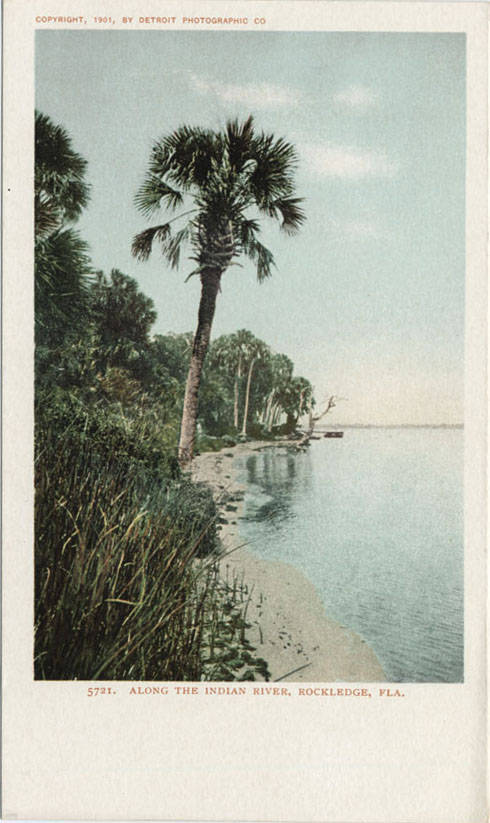
Cocoa and Rockledge: two towns founded by the same brothers
Gardner Hardee named Rockledge in 1868; the land his brother bought next to it became Indian River City, then Cocoa. The boom of the 1920s blurred the line between them, Rockledge shopped in Cocoa, and Rockledge has since outgrown its neighbor. What the records show.
- Schools and education
Cocoa's Black schools, 1891 to 1968: from a lodge hall to the Rosenwald school on Blake Avenue
Cocoa's Black children were in school by 1891, in a lodge hall west of the tracks. In 1923 the community, the county and the Julius Rosenwald Fund built Cocoa Junior High School, Florida's oldest surviving Rosenwald school. It became Monroe High in 1947; Monroe closed with integration in 1968.
- Historic district
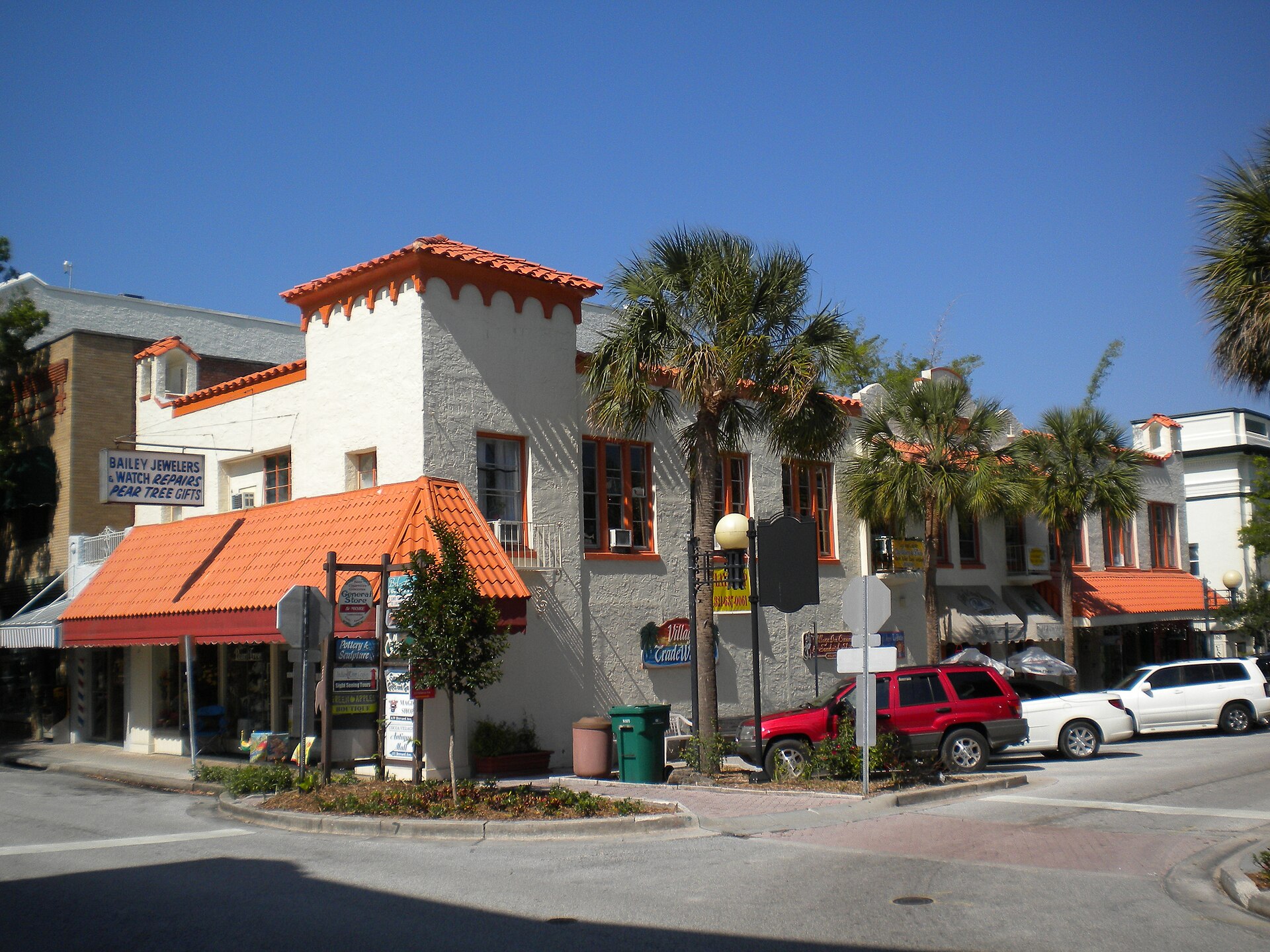
Cocoa Village: the old downtown and the buildings on the National Register
Cocoa Village is Cocoa's old downtown along Brevard and Delannoy Avenues. It is not a National Register historic district, but three of its buildings are individually listed: the Porcher House (1986), the Aladdin Theater (1991) and the 1940 Cocoa Post Office.
- People
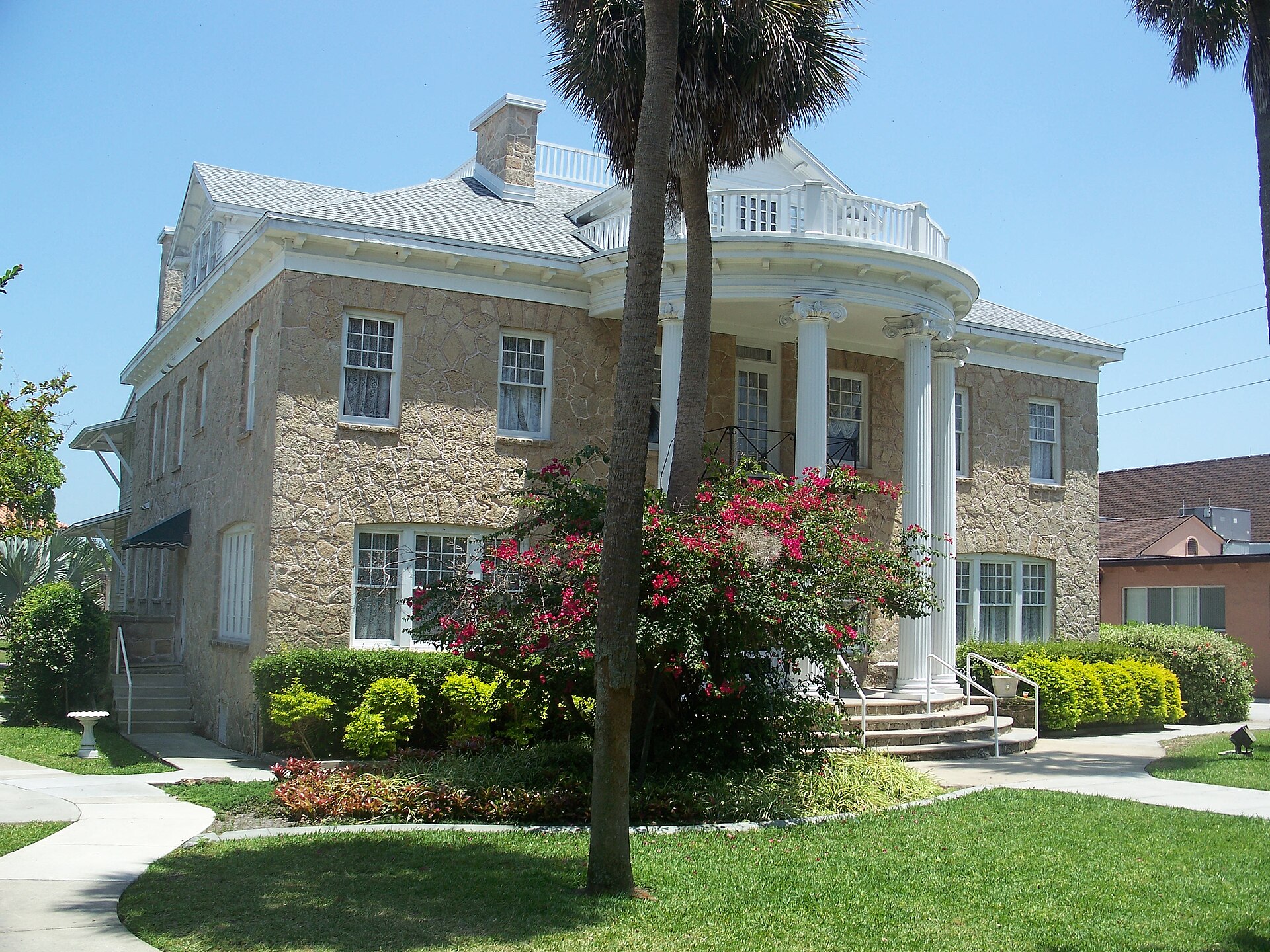
Edward Porcher: the Cocoa citrus grower who washed and stamped his fruit first
Edward Postell Porcher, born in Greenville, South Carolina, in 1861, came to Florida in 1884, grew citrus on Merritt Island, led the Indian River growers' associations, and patented machines for handling fruit. What his National Register nomination records.
- Citrus era
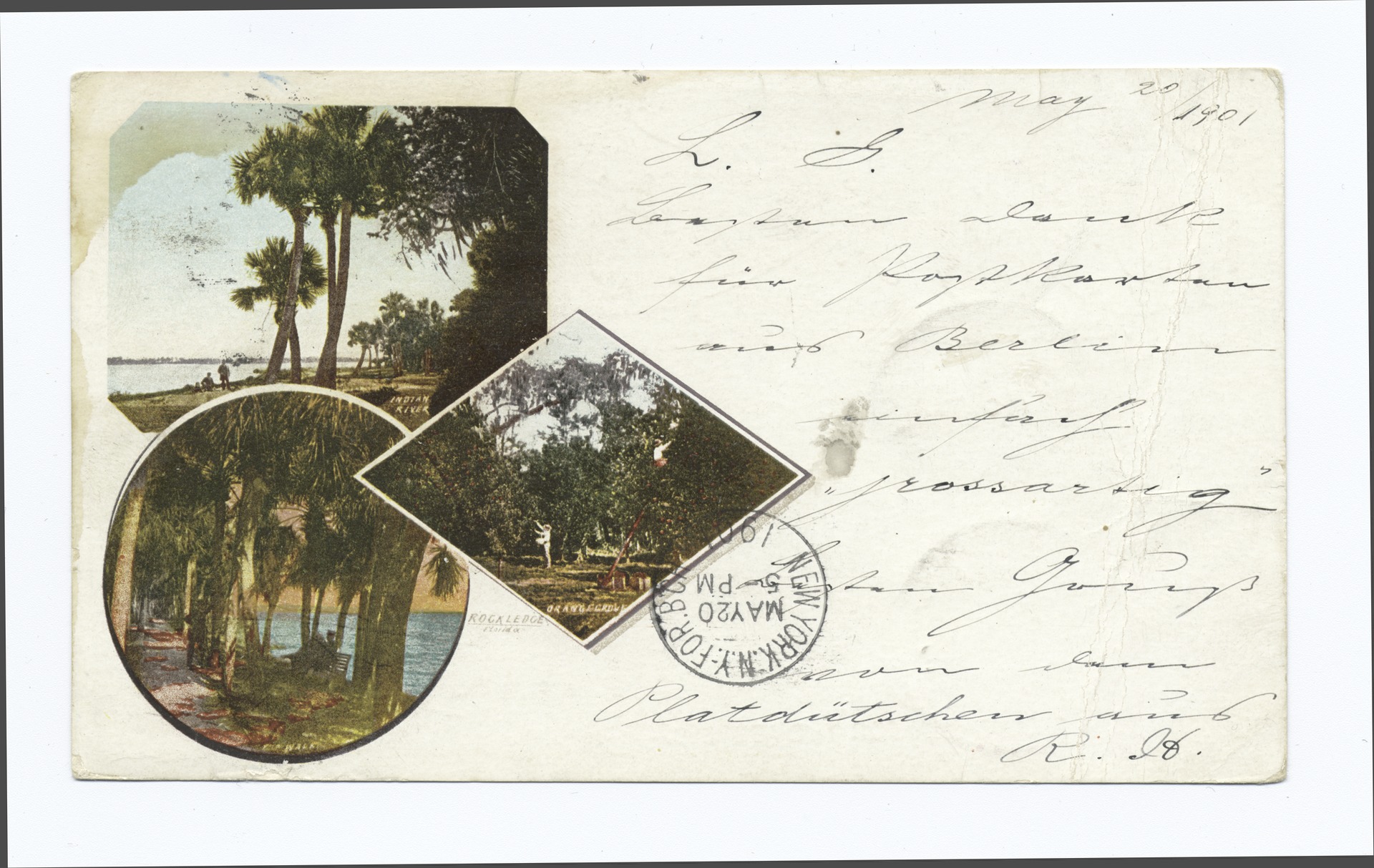
The 1894-95 Great Freeze on Cocoa's stretch of the river
The freezes of December 29, 1894, and February 8, 1895, killed orange trees to the ground across most of Florida. The USDA recorded 18°F and 19°F at Titusville and 22°F on Merritt Island; it has no reading for Cocoa. Cocoa incorporated that year, and by 1900 Brevard was again a leading citrus county.
- Weather and disasters
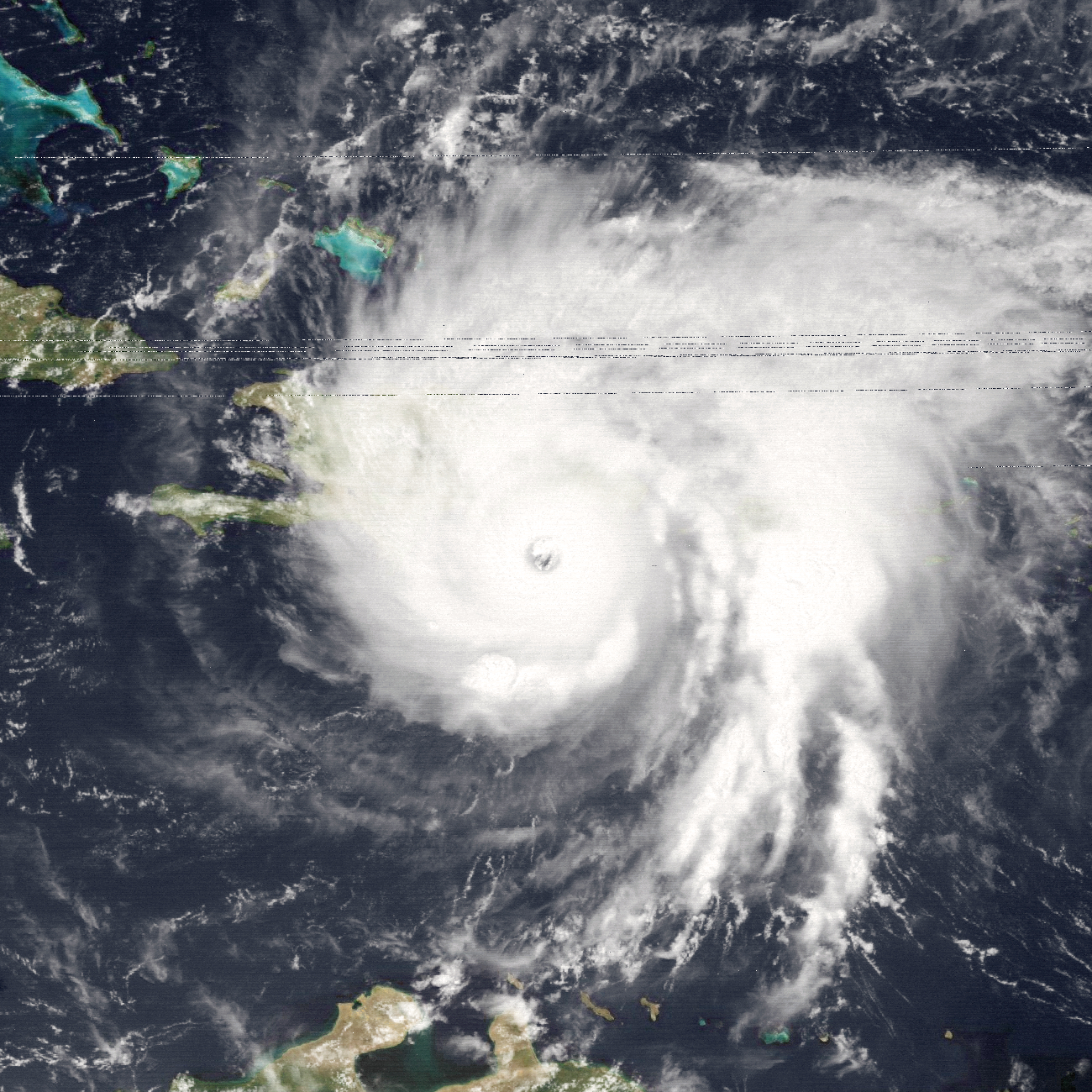
Hurricane David in Cocoa, September 3, 1979
Hurricane David's eye ran up the Brevard coast on the night of September 3, 1979. In Cocoa that meant a tornado over town in the afternoon, hurricane-force gusts and heavy rain after dark, and no deaths.
- Historic structures
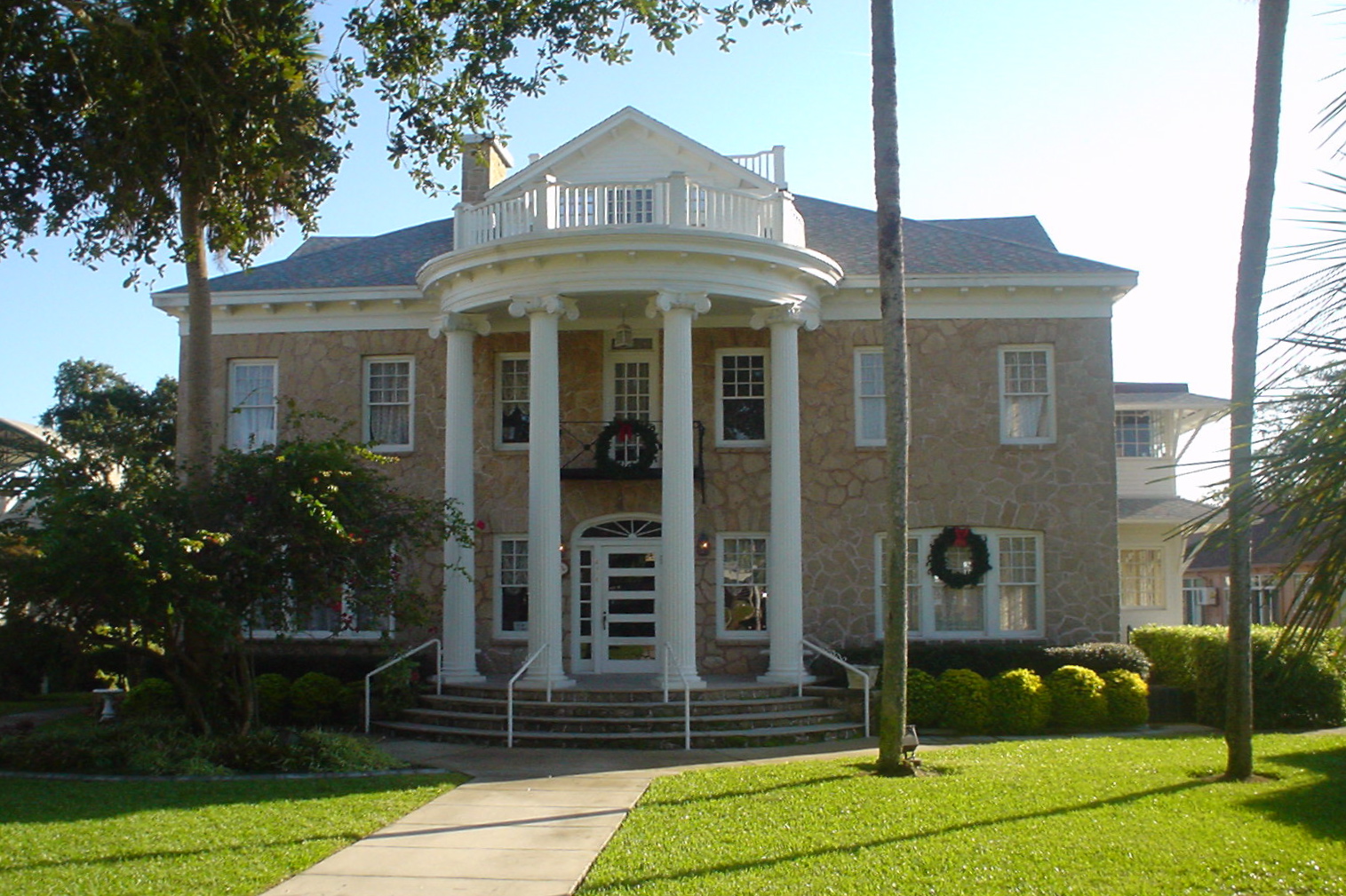
The Porcher House, 1916: a citrus grower's coquina house on the river
Edward Postell Porcher and his wife Byrnina moved into their coquina-faced house on the Indian River in Cocoa on October 31, 1916. It became Cocoa's city hall in 1945 and was listed on the National Register in 1986. What the nomination and the state marker record.
- Historic businesses
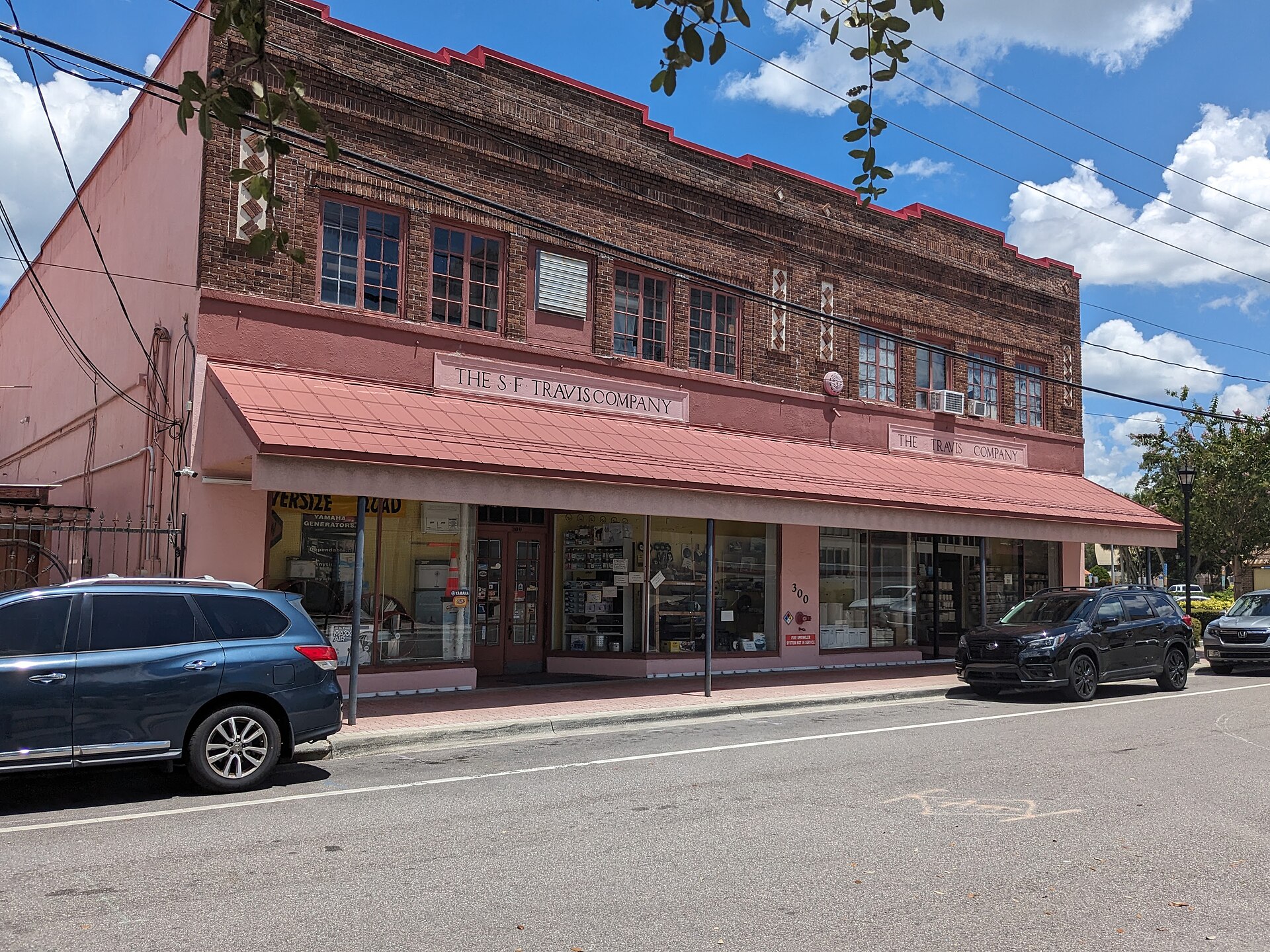
S.F. Travis Hardware, founded 1885: Cocoa's oldest business
The S.F. Travis Company, founded in 1885, is the oldest continuously operating business in Cocoa, according to the state's historical marker. Its 1891 store is the oldest brick building in the city, and for decades it delivered by boat from a dock behind the store.
- Editorial
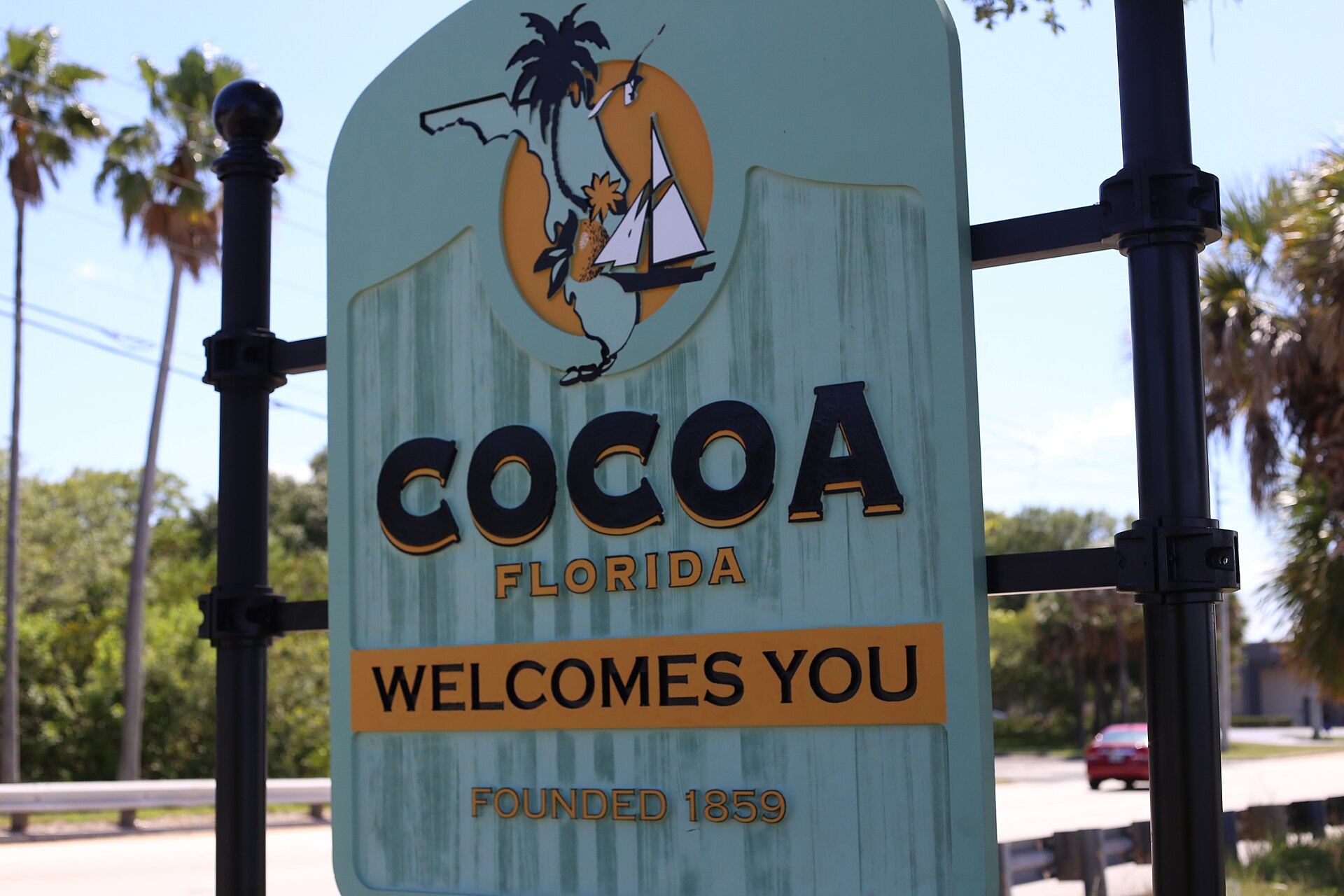
What 'Old Cocoa' means
What this site covers: the mainland city of Cocoa, founded in 1882 as Indian River City and incorporated in 1895, not Cocoa Beach. Its citrus trade, its Black neighborhoods and schools, the brick downtown of the land boom, and the buildings on the National Register.