About this publication
Cocoa was moving citrus on the Indian River before it had a name.
Fishermen founded Cocoa in 1882 as Indian River City. The post office said the name was too long, a town meeting chose Cocoa in 1884, and the town was incorporated in 1895. Its old riverfront downtown, now Cocoa Village, still stands. This site covers how it got there and what it looked like along the way.
The story starts with the Hardee brothers, who came to the Indian River in 1868; the land one of them bought was platted as Indian River City and became part of Cocoa. It runs through Flagler's railway, which reached Cocoa in 1893, the Great Freeze of 1894-95, the citrus trade, the brick downtown of the land boom, and the Black neighborhoods west of the railroad that built a Rosenwald school in 1923.
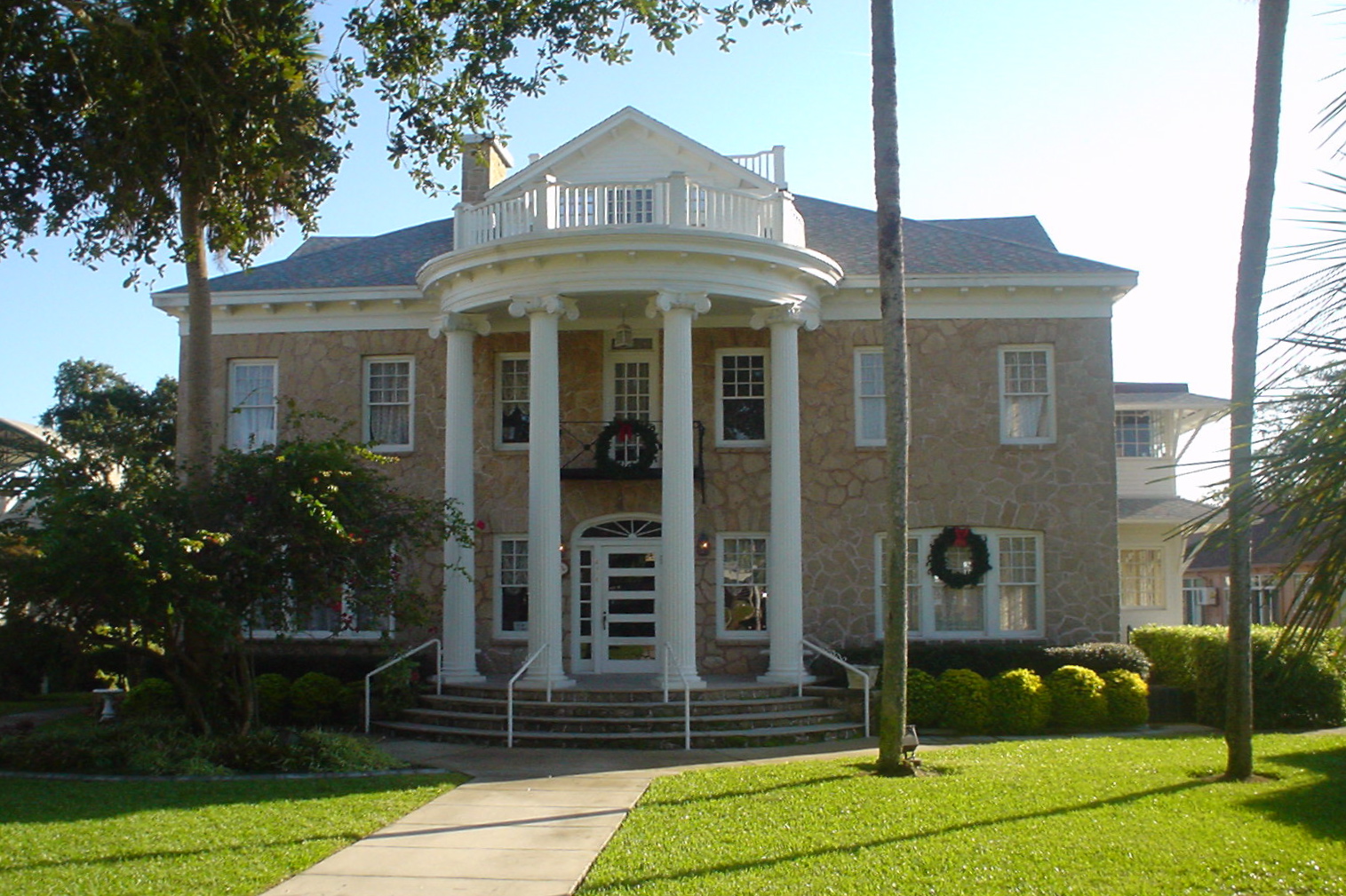
What this site covers
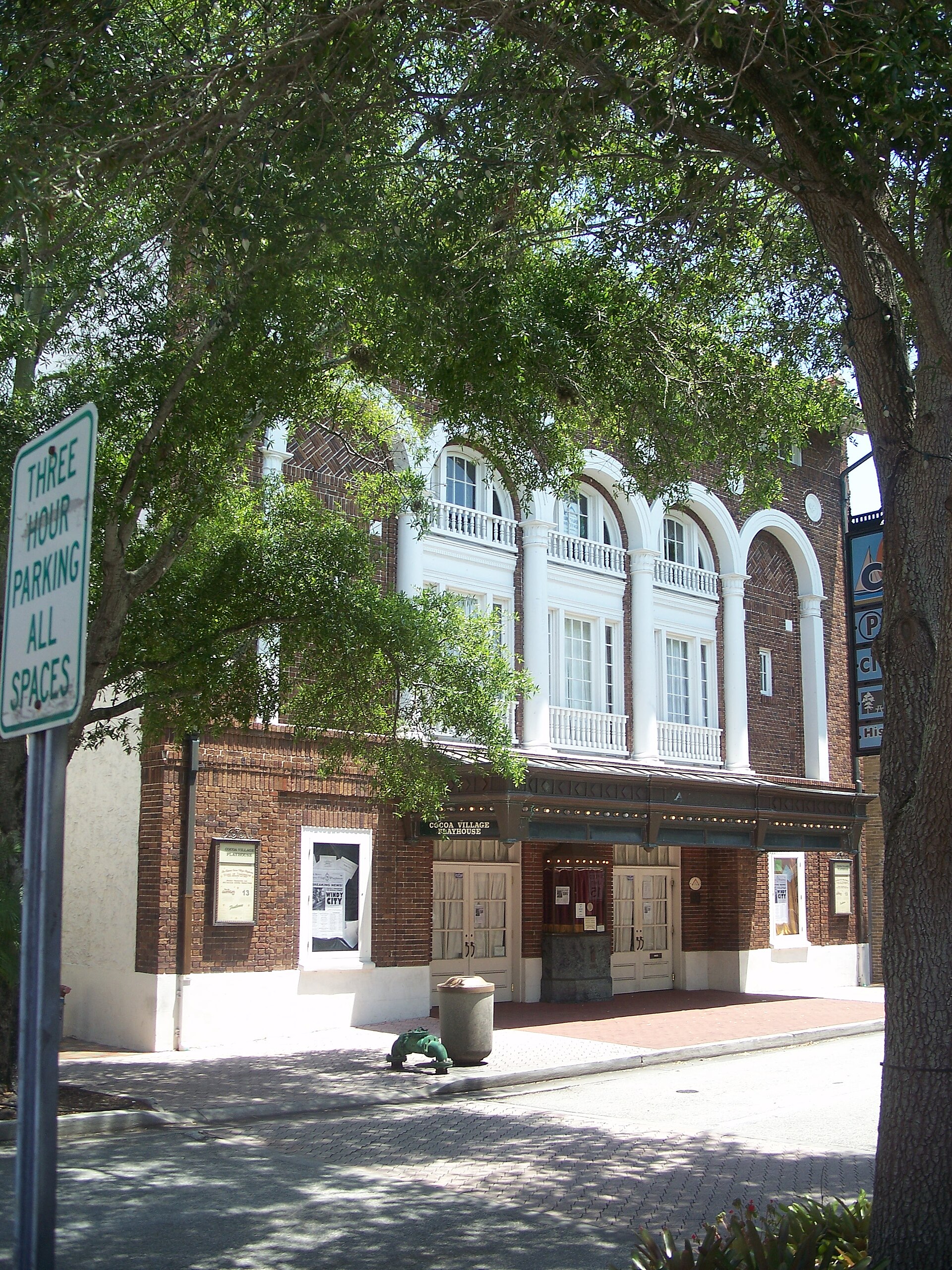
The Great Freeze, which the U.S. Department of Agriculture recorded at 18°F and 19°F in Titusville. Edward Porcher, one of the largest Indian River growers, who washed and stamped his fruit before anyone else. S.F. Travis Hardware, founded in 1885. The Aladdin Theater, opened on August 18, 1924, and the brick downtown around it that became Cocoa Village.
Cocoa Junior High School on Blake Avenue, the oldest surviving Rosenwald school in Florida, where Harry T. Moore taught fourth grade and whose principal, John Gilbert, sued in 1938 for equal pay for Black teachers. Monroe High School, which grew out of it in 1947 and closed with integration in 1968. Brevard Junior College, founded in 1960, and the town's long relationship with Rockledge.
Corrections welcome at hello@oldcocoa.com.